
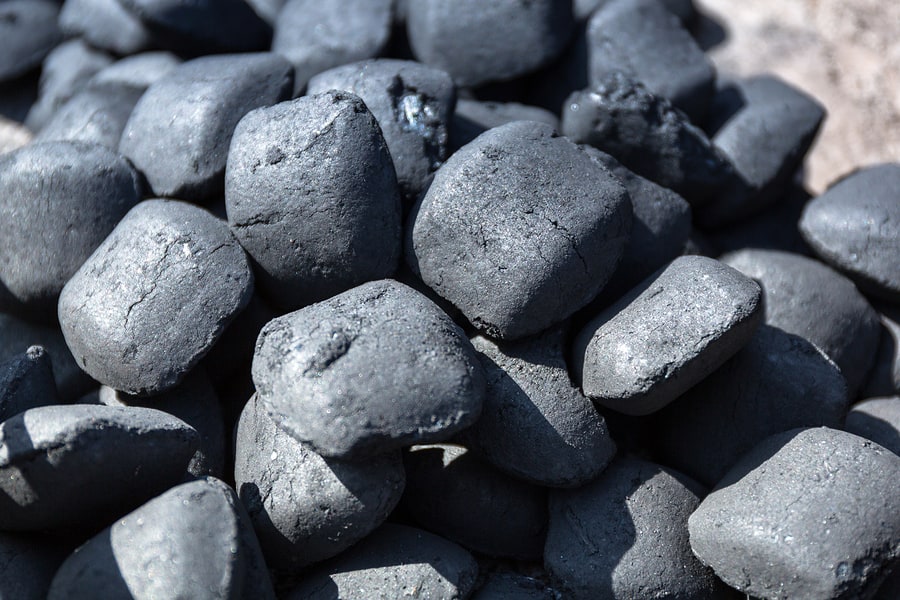
Charcoal briquettes have been a staple in households and outdoor cooking for decades, offering a convenient and efficient way to generate heat for grilling and various other applications. While their popularity is undeniable, the art and science behind charcoal briquettes are often overlooked. This article delves into the world of charcoal briquettes, exploring their composition, manufacturing process, environmental impact, and the reasons behind their enduring appeal.
Composition of Charcoal Briquettes
Charcoal briquettes are primarily composed of two main ingredients: charcoal and a binder. The charcoal is usually made from wood, coconut shells, or other organic materials that have been carbonized through a process of heating in the absence of oxygen. This results in a porous material rich in carbon, which serves as an excellent fuel source due to its ability to burn at high temperatures.
Binders play a crucial role in the formation of briquettes. Common binders include starch from crops like corn or wheat, and sometimes other additives are included to enhance performance. These binders not only hold the briquettes together but also influence factors such as burn time and temperature. You can read more details at briquette manufacturers
Manufacturing Process
The production of charcoal briquettes involves a series of steps designed to create a consistent and reliable product. The process typically starts with the collection of raw materials, which are then carbonized to produce charcoal. Once the charcoal is ready, it is combined with the binder and any additional additives in a mixing chamber. This mixture is then compressed into the familiar pillow-shaped briquettes using special machinery.
After compression, the briquettes are dried to remove any residual moisture, ensuring a stable and long-burning product. Some manufacturers may also apply special coatings or additives to enhance ignition properties or provide flavor during grilling.
Environmental Impact
Concerns about deforestation and unsustainable logging practices have led to increased scrutiny of the environmental impact of charcoal production. However, many charcoal briquette manufacturers are addressing these concerns by sourcing their raw materials responsibly. For example, some companies use wood from sustainable forests or agricultural waste products to create charcoal, minimizing the impact on natural ecosystems.
Moreover, the use of charcoal briquettes can be considered more environmentally friendly compared to traditional lump charcoal. The uniform size and shape of briquettes contribute to more controlled combustion, reducing overall emissions and maximizing energy efficiency during grilling.
Efficiency and Consistency
One of the key advantages of charcoal briquettes is their consistent performance. The uniform shape and composition of briquettes allow for a predictable burn time and temperature, providing users with greater control over their cooking process. This reliability makes charcoal briquettes an excellent choice for both novice and experienced grillers who seek precision in their culinary endeavors.
Versatility in Applications
While charcoal briquettes are synonymous with outdoor grilling, their applications extend beyond the barbecue. They can be used for smoking meats, providing a distinctive flavor profile to foods. Additionally, charcoal briquettes are a reliable heat source for outdoor activities such as camping and picnics, where a portable and efficient fuel option is essential.
Economic Considerations
Charcoal briquettes are generally more affordable than alternative fuels, making them an economical choice for many households. Their cost-effectiveness, coupled with their efficiency and versatility, contributes to their enduring popularity as a fuel source for cooking.
Conclusion
In conclusion, charcoal briquettes represent a fascinating intersection of art and science in the world of fuel. Their composition, manufacturing process, and environmental considerations make them a unique and versatile option for cooking and heating. As consumers become increasingly conscious of their environmental impact, the continued evolution of charcoal briquette production toward sustainability ensures that this traditional fuel source will remain relevant in modern times. Whether used for a weekend barbecue or an adventurous camping trip, charcoal briquettes continue to hold their place as a reliable and efficient fuel for a variety of applications.