
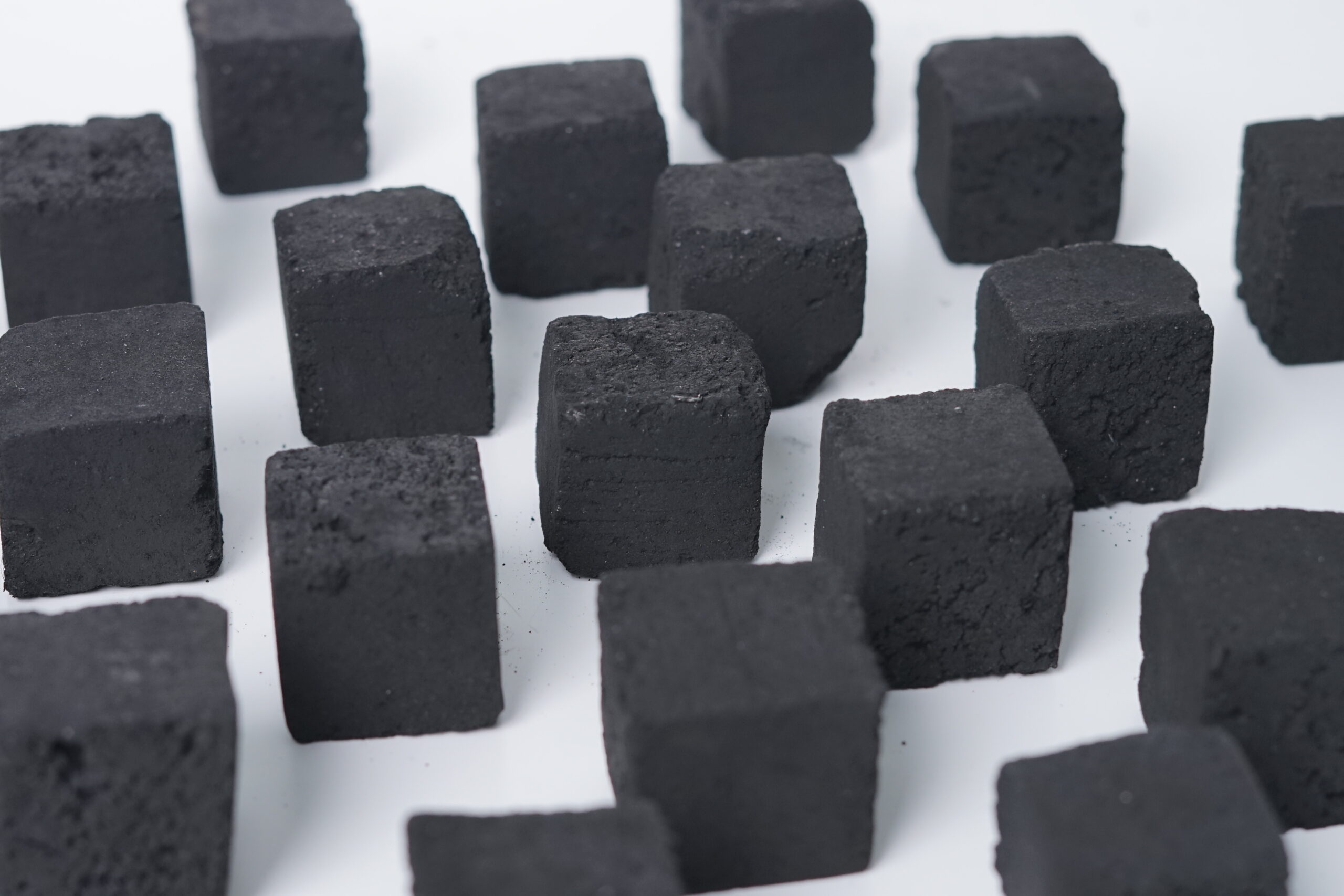
Briquette Charcoal, In the world of outdoor cooking, charcoal briquettes have become synonymous with the sizzle and aroma that define a perfect barbecue. However, these compact, blackened fuel sources are more than just a means to an end; they represent a fascinating combination of history, science, and sustainability. This article delves into the origins, composition, and environmental impact of charcoal briquettes, highlighting their role in the modern culinary landscape.
Brief History
Charcoal has been used as a fuel for cooking since ancient times. The process of creating charcoal involves heating wood in the absence of oxygen, a technique that has been employed for centuries to produce a dense, carbon-rich material with excellent burning properties. In the 1920s, Henry Ford, the automotive pioneer, played a pivotal role in popularizing charcoal briquettes. He noticed that the manufacturing process for his cars generated a significant amount of wood scraps and saw an opportunity to repurpose this waste into a useful product for grilling.
Composition and Production
Charcoal briquettes are typically composed of three main ingredients: charcoal, binders, and additives. The primary source of charcoal is wood, which is carbonized through a process called pyrolysis. During pyrolysis, wood is heated in the absence of air, causing volatile compounds to evaporate and leaving behind carbonized material. Binders, such as starch, are added to help hold the briquettes together, while additives may include ingredients for ignition enhancement or flavor infusion. You can read more details at briquette manufacturers
The production of charcoal briquettes involves several steps, including crushing the raw material (wood), mixing it with binders and additives, and then compressing the mixture into the familiar pillow-shaped briquettes. The briquettes are then dried and packaged for distribution.
Advantages of Charcoal Briquettes
Consistent Heat
One of the key advantages of charcoal briquettes is their ability to provide a consistent and controlled heat source. This makes them ideal for grilling, where precise temperature control is crucial for achieving the desired results.
Long Burning Time
Charcoal briquettes tend to burn longer than traditional lump charcoal, extending the cooking time and reducing the need for frequent refueling.
Uniform Shape and Size
The standardized shape and size of briquettes make them easy to handle and distribute evenly across the grill, ensuring uniform cooking.
Ease of Ignition
Many charcoal briquettes come pre-treated with additives that make them easy to light, simplifying the ignition process for both novice and experienced grillers.
Sustainability Considerations
While charcoal briquettes offer numerous advantages, concerns about deforestation and environmental impact have been raised. Traditional charcoal production methods often involve the indiscriminate cutting of trees, contributing to deforestation and habitat loss. However, sustainable practices are being adopted to address these issues.
Certified Sustainable Charcoal
Some manufacturers are now producing charcoal briquettes using wood from sustainably managed forests or recycled wood waste. Look for products certified by organizations like the Forest Stewardship Council (FSC) to ensure the charcoal is sourced responsibly.
Bamboo Charcoal Briquettes
An emerging alternative to traditional wood-based briquettes is bamboo charcoal. Bamboo grows rapidly and can be harvested sustainably, making it an environmentally friendly option for charcoal production.
Carbonization Technologies
Advancements in carbonization technologies are making it possible to produce charcoal more efficiently, minimizing the environmental impact of the production process.
Conclusion
Charcoal briquettes, born out of a desire to repurpose industrial waste, have evolved into a staple of outdoor cooking. Their consistent heat, long burning time, and ease of use make them a favorite among grilling enthusiasts. As consumers become increasingly conscious of environmental issues, the industry is adapting by embracing sustainable practices and alternative materials. Whether you’re a backyard barbecuer or a professional chef, understanding the history, composition, and environmental impact of charcoal briquettes adds depth to the sizzle of the grill and encourages a more thoughtful approach to outdoor cooking.