Corel Draw Desain Grafis, Mengungkap Keajaiban Kreativitas

corel draw desain grafis

Desain grafis adalah seni menciptakan visual yang memikat dan komunikatif, dan salah satu perangkat lunak yang sering digunakan untuk merajut karya seni ini adalah Corel Draw. Dengan kemampuannya yang kuat dan antarmuka yang intuitif, Corel Draw telah menjadi pilihan utama bagi banyak desainer grafis. Artikel ini akan membahas pentingnya Corel Draw dalam dunia desain grafis dan bagaimana perangkat lunak ini dapat membuka pintu keajaiban kreativitas.

Pengantar ke Corel Draw

1. Antarmuka yang User-Friendly

Salah satu daya tarik utama Corel Draw adalah antarmuka pengguna yang ramah pengguna. Desainer, baik yang berpengalaman maupun yang baru memulai, dapat dengan mudah menavigasi alat dan fitur tanpa merasa kehilangan.

2. Beragam Alat Kreatif

Corel Draw menyediakan beragam alat kreatif, mulai dari pensil dan kuas hingga efek khusus dan efek teks. Desainer dapat mengekspresikan kreativitas mereka dengan berbagai cara, memungkinkan pembuatan karya yang unik dan memikat.

3. Kemampuan Vector yang Kuat

Corel Draw berbasis vektor, yang berarti desain dapat diubah ukurannya tanpa kehilangan kualitas. Ini membuatnya ideal untuk menciptakan logo, ikon, atau grafik lainnya yang memerlukan ketajaman dan kejelasan.

4. Desain Responsif dan Fleksibel

Corel Draw memungkinkan desainer membuat desain yang responsif, yang dapat diubah dan disesuaikan dengan berbagai kebutuhan. Ini memberikan fleksibilitas yang tinggi dalam proses desain.

Keunggulan Corel Draw dalam Desain Grafis

1. Desain Logo yang Kuat

Corel Draw telah menjadi pilihan utama untuk desain logo. Dengan kemampuan vektor, desainer dapat membuat logo yang tajam dan jelas, menciptakan identitas merek yang kuat.

2. Ilustrasi dan Seni Digital

Corel Draw sangat efektif untuk membuat ilustrasi dan seni digital. Alat-alat seperti pensil dan kuas digital memungkinkan desainer untuk menciptakan lukisan digital yang memukau.

3. Pengolahan Teks yang Profesional

Fitur pengolahan teks Corel Draw memungkinkan desainer untuk mengeksplorasi berbagai gaya teks, efek, dan tata letak dengan mudah. Ini sangat membantu dalam menciptakan desain dengan pesan yang kuat.

4. Manajemen Warna yang Canggih

Corel Draw menawarkan manajemen warna yang canggih, memungkinkan desainer untuk bekerja dengan palet warna yang konsisten dan menarik.

Teknologi Terkini dan Corel Draw

1. Kompabilitas dengan Platform Digital

Corel Draw terus mengikuti perkembangan teknologi dengan menyediakan kompatibilitas yang baik dengan platform digital. Desainer dapat dengan mudah mentransfer desain mereka ke berbagai media digital.

2. Desain Responsif

Dalam era desain responsif, Corel Draw tetap relevan dengan kemampuannya untuk menghasilkan desain yang dapat disesuaikan dengan berbagai ukuran dan resolusi layar.

Kesimpulan

corel draw desain grafis

Corel Draw bukan hanya sebuah perangkat lunak desain grafis; itu adalah portal keajaiban kreativitas. Dengan kemampuan vektor yang kuat, antarmuka yang ramah pengguna, dan beragam alat kreatif, Corel Draw membantu desainer menciptakan karya seni yang memukau dan bermakna. Di tengah persaingan yang ketat dalam dunia desain grafis, Corel Draw tetap menjadi mitra yang andal bagi mereka yang ingin menjelajahi batas-batas kreativitas dan menghasilkan desain yang luar biasa.

Dengan mempelajari Corel Draw desain grafis, Anda secara langsung sudah menambah pengetahuan Anda yang berharga dalam dunia desain grafis dan menjadi lebih sadar terhadap seberapa penting desain grafis pada zaman yang modern ini. Oleh karena itu, pantau juga kursus desain grafis Jogja dari Punca Training yang siap membantu Anda mengatasi permasalahan desain grafis Anda.

Semoga artikel ini dapat memberikan Anda pemahaman mengenai Corel Draw desain grafis dan dapat memberikan manfaat yang nyata.
Pengaruh olahan kelapa terhadap kelestarian lingkungan

Pengaruh olahan kelapa terhadap kelestarian lingkungan

Dalam era di mana kesadaran akan keberlanjutan dan pelestarian lingkungan semakin menjadi fokus global, penting untuk mengkaji pengaruh dari kegiatan ekonomi tertentu terhadap kelestarian alam. Salah satu bahan alam yang telah lama menjadi bagian integral dari kehidupan manusia dan ekonomi adalah kelapa. Namun, pertanyaan muncul mengenai dampak olahan kelapa terhadap kelestarian lingkungan.

Penggunaan kelapa dalam berbagai industri, seperti pangan, kosmetik, tekstil, dan energi, telah mencapai tingkat yang signifikan. Proses pengolahan dan ekstraksi minyak kelapa, penggunaan serat dan cangkang sebagai bahan baku, serta produk-produk inovatif yang berasal dari kelapa, semuanya memiliki potensi untuk memberikan dampak positif maupun negatif pada lingkungan.

Pendahuluan ini akan membahas bagaimana olahan kelapa, sementara memberikan manfaat ekonomi yang besar, juga dapat memberikan dampak terhadap keberlanjutan lingkungan. Melalui pemahaman ini, kita dapat merancang praktik-praktik industri yang lebih bijaksana secara lingkungan, menjaga keseimbangan antara kebutuhan manusia dan pelestarian lingkungan yang vital bagi kelangsungan hidup planet ini.

Pengaruh olahan kelapa terhadap kelestarian lingkungan

Pengaruh olahan kelapa terhadap kelestarian lingkungan menjadi perhatian penting dalam konteks pembangunan berkelanjutan. Meskipun kelapa memberikan berbagai manfaat ekonomi dan digunakan secara luas dalam industri, proses pengolahan dan ekstraksi dapat memberikan dampak yang signifikan pada lingkungan. Berikut adalah beberapa aspek pengaruh olahan kelapa terhadap kelestarian lingkungan:

1. Penggunaan Sumber Daya Alam:

  • Pembabatan Hutan Kelapa: Beberapa industri mengandalkan sumber daya alam utama dari kebun kelapa, yang dapat menyebabkan deforestasi dan hilangnya habitat alami.

2. Proses Pengolahan:

  • Penggunaan Energi dan Air: Proses pengolahan kelapa, terutama dalam produksi minyak kelapa, dapat memerlukan besar energi dan air, berkontribusi pada tekanan terhadap sumber daya alam.

3. Pengelolaan Limbah:

  • Pembuangan Limbah Cair: Limbah cair dari pabrik-pabrik pengolahan kelapa, jika tidak dikelola dengan baik, dapat mencemari air tanah dan mengganggu ekosistem perairan setempat.

4. Pemanfaatan Limbah:

  • Pemanfaatan Limbah Kelapa: Kebanyakan olahan kelapa menghasilkan limbah, seperti cangkang dan serat. Pemanfaatan limbah ini secara bijaksana dapat mendukung praktik daur ulang dan berkontribusi pada keberlanjutan.

5. Keseimbangan Ekosistem yang berpengaruh terhadap Pengaruh olahan kelapa terhadap kelestarian lingkungan:

  • Dampak Terhadap Keseimbangan Ekosistem: Eksploitasi kelapa yang berlebihan dapat mengancam keseimbangan ekosistem lokal, terutama jika tanaman ini diambil tanpa memperhatikan siklus alam.

6. Perubahan Iklim:

  • Emisi Karbon: Proses pengolahan kelapa, terutama jika melibatkan pembakaran atau penggunaan energi fosil, dapat memberikan kontribusi pada emisi karbon dan perubahan iklim.

7. Pengelolaan Sumber Daya:

  • Pertanian Berkelanjutan: Pengelolaan kebun kelapa dengan praktik pertanian berkelanjutan dapat membantu mengurangi dampak negatif dan memastikan kelapa tetap menjadi sumber daya yang berkelanjutan.

Penting untuk mencari solusi yang mengurangi dampak negatif dan meningkatkan manfaat positif dari olahan kelapa terhadap kelestarian lingkungan. Inovasi dalam teknologi pengolahan, praktik pertanian yang berkelanjutan, dan pemanfaatan limbah secara bijaksana dapat membantu menciptakan industri kelapa yang lebih ramah lingkungan. Dengan pemahaman yang mendalam tentang dampaknya, kita dapat mengembangkan model ekonomi yang mendukung keseimbangan antara kepentingan ekonomi dan perlindungan lingkungan.

Temukan kelezatan tropis dengan cocomesh, sebuah kombinasi unik antara kelapa yang lezat dan sensasi menyegarkan. Rasakan kegembiraan cita rasa kelapa yang autentik dalam setiap gigitan, menghadirkan sentuhan eksotis ke dalam keseharian Anda. Cocomesh membawa Anda dalam perjalanan rasa yang menggoda, dari keripik kelapa yang renyah hingga kudapan berbahan dasar kelapa yang kaya akan nutrisi. Jelajahi dunia makanan ringan yang sehat, lezat, dan berkelanjutan dengan cocomesh di mana kelezatan bertemu kesehatan dalam setiap santapan.

Kesimpulan dari Pengaruh olahan kelapa terhadap kelestarian lingkungan:

Dalam menggali dampak olahan kelapa terhadap kelestarian lingkungan, perlu disadari bahwa pemanfaatan sumber daya alam ini tidak hanya membawa manfaat ekonomi tetapi juga memberikan tantangan terhadap ekosistem dan keberlanjutan planet ini. Kendati begitu, dengan pemahaman yang mendalam terkait pengaruh tersebut, kita dapat merancang strategi dan praktik industri yang lebih berkelanjutan.

Pembabatan hutan kelapa yang tidak terkendali dan eksploitasi tanpa batas dapat memberikan dampak negatif yang signifikan terhadap ekosistem dan biodiversitas. Namun, kesadaran akan keberlanjutan semakin mendorong industri untuk mengadopsi praktik pertanian dan pengolahan yang lebih bijaksana secara lingkungan.

Manajemen limbah dan pemanfaatan sisa-sisa olahan kelapa menjadi aspek penting dalam menjaga keseimbangan ekosistem. Pemanfaatan limbah dengan cara yang inovatif dan berkelanjutan dapat membuka peluang baru untuk mengurangi dampak negatif dan bahkan menghasilkan manfaat tambahan, seperti energi terbarukan atau bahan baku alternatif.

Langkah-langkah untuk meningkatkan efisiensi energi dan mengurangi emisi karbon dalam proses pengolahan kelapa juga merupakan komponen integral dalam menjaga keseimbangan lingkungan. Penerapan teknologi hijau dan kebijakan berkelanjutan dapat menjadi kunci untuk merampingkan dampak industri tanaman kelapa.

Dengan menjaga keseimbangan antara kebutuhan ekonomi dan tanggung jawab lingkungan, kita dapat mencapai model pengolahan kelapa yang lebih berkelanjutan. Kesadaran dan tindakan bersama dari berbagai pihak, mulai dari petani hingga produsen, menjadi kunci dalam merumuskan solusi yang dapat mendukung keberlanjutan lingkungan dan meningkatkan manfaat positif yang dihasilkan dari olahan kelapa. Melalui upaya bersama, kita dapat memastikan bahwa kelapa tidak hanya menjadi sumber kekayaan ekonomi tetapi juga menjaga keberlanjutan alam kita untuk generasi mendatang.

Safety of Using Briquette Charcoal Domestically

In recent years, the global shift towards sustainable and eco-friendly practices has given rise to alternative fuel sources, and briquette charcoal has emerged as a popular choice for both cooking and heating purposes. While its environmental benefits are widely acknowledged, ensuring the safety of using briquette charcoal domestically is of paramount importance. This article delves into the various aspects of safety associated with the use of briquette charcoal in households.

Safety of Using Briquette Charcoal Domestically

Composition and Production

Briquette charcoal is typically made from compressed biomass materials, such as sawdust, agricultural residues, or recycled paper, bound together with a natural binder. Unlike traditional charcoal, which often contains additives and chemicals, briquette charcoal is known for its cleaner and more sustainable composition. However, it is crucial to source briquettes from reputable manufacturers to guarantee the absence of harmful substances.

Carbon Monoxide Emissions

One of the primary safety concerns associated with any form of combustion is the release of carbon monoxide (CO). While briquette charcoal generally produces lower levels of CO compared to traditional charcoal, it is still essential to use it in well-ventilated areas. Adequate ventilation helps disperse any potentially harmful gases and minimizes the risk of carbon monoxide poisoning. Users should avoid using briquette charcoal in enclosed spaces without proper ventilation. You can read more details at briquette manufacturers

Fire Safety Measures

Using briquette charcoal requires the same fire safety precautions as any other combustible material. It is crucial to keep a fire extinguisher nearby and be aware of the proper procedures for handling and storing briquettes. Additionally, users should never leave burning briquette charcoal unattended and must follow the manufacturer’s guidelines for ignition.

Storage and Handling

Proper storage of briquette charcoal is vital to prevent accidents and ensure its effectiveness. Store briquettes in a cool, dry place away from direct sunlight and moisture. Moisture can affect the quality of the briquettes and make them difficult to ignite. Additionally, users should handle briquette charcoal with clean, dry hands to avoid contamination and ensure optimal combustion.

Avoiding Improper Combustion

To maximize safety, users must follow recommended guidelines for lighting and maintaining briquette charcoal fires. Avoid using accelerants such as gasoline or lighter fluid, as they can lead to uncontrollable flames and dangerous situations. Instead, use safe and approved methods like chimney starters or electric charcoal starters. It is essential to allow the briquettes to fully ignite before cooking to avoid incomplete combustion, which can produce harmful byproducts.

Food Safety Considerations

When using briquette charcoal for cooking, it is crucial to consider food safety. Ensure that the briquettes are fully ignited and covered with ash before placing food on the grill to avoid any residual odors or flavors. Additionally, users should be mindful of the type of wood used in the briquettes, as some woods may produce undesirable tastes in the food.

Environmental Impact

While briquette charcoal is generally considered more environmentally friendly than traditional charcoal, users should still be conscious of its impact. Choose briquettes made from sustainably sourced materials and support manufacturers committed to eco-friendly production practices. Proper disposal of ash is also essential to minimize environmental impact.

Conclusion

The safety of using briquette charcoal domestically hinges on responsible sourcing, proper handling, and adherence to recommended guidelines. As an alternative fuel source with numerous environmental benefits, briquette charcoal can be a safe and effective choice for households. By being aware of potential risks and taking appropriate precautions, users can enjoy the benefits of briquette charcoal while ensuring the safety of their homes and loved ones.

Latest Innovations in Briquette Charcoal

Latest Innovations in Briquette Charcoal

In an era where environmental consciousness is gaining momentum, innovations in sustainable practices are crucial. One such area witnessing remarkable advancements is briquette charcoal production. Briquette charcoal, often derived from biomass materials, is becoming a popular alternative to traditional charcoal, contributing significantly to environmental conservation. This article explores the latest innovations in briquette charcoal, highlighting how technology and sustainable practices are reshaping the landscape of this essential source of energy.

Latest Innovations in Briquette Charcoal

Raw Material Revolution

Traditionally, briquette charcoal has been produced using wood-based materials, such as sawdust and wood chips. However, recent innovations have expanded the raw material base, promoting greater sustainability. Agricultural waste, such as rice husks, coconut shells, and even coffee grounds, is now being utilized to create briquette charcoal. This not only addresses the issue of deforestation but also provides an economically viable solution for managing agricultural by-products. These alternative raw materials not only reduce environmental impact but also add value to agricultural waste, creating a circular economy.

Pyrolysis Technology Advancements

Pyrolysis, the process of heating biomass in the absence of oxygen to produce charcoal, has undergone significant technological advancements. Modern pyrolysis techniques allow for more precise control over temperature and processing times, resulting in higher-quality briquette charcoal. Improved efficiency in pyrolysis not only enhances the overall production process but also minimizes emissions, making it a cleaner and more environmentally friendly option compared to traditional charcoal production methods. You can read more details at briquette manufacturers

Binder-Free Briquetting

Traditionally, binders such as starch were added to the raw materials to hold the briquettes together. However, the latest innovations in briquette charcoal production include binder-free techniques. Researchers and manufacturers are developing methods that rely on the natural adhesive properties of certain biomass materials, eliminating the need for additional binders. This not only simplifies the production process but also ensures that the final product is entirely composed of renewable resources, enhancing the eco-friendliness of briquette charcoal.

Carbonization Innovations

Carbonization is a critical step in briquette charcoal production, transforming raw biomass into a carbon-rich material suitable for energy production. Innovations in this stage of the process focus on optimizing carbonization conditions to maximize energy yield while minimizing waste. Advanced carbonization technologies, such as microwave-assisted carbonization and continuous carbonization processes, are gaining traction. These innovations contribute to higher energy efficiency and reduced environmental impact by streamlining the carbonization phase.

Smoke Reduction Technologies

One of the drawbacks of traditional charcoal production is the emission of smoke, contributing to air pollution and respiratory issues. Recent innovations aim to address this challenge by incorporating smoke reduction technologies. Improved combustion chambers, air-flow control systems, and filtration devices are being integrated into briquette charcoal production facilities to minimize smoke emissions. These advancements not only enhance the environmental profile of briquette charcoal but also create a healthier cooking environment for end-users.

Smart Briquette Production Systems

The integration of smart technologies into briquette charcoal production is another notable innovation. Automation, sensor technologies, and data analytics are being employed to optimize various stages of the production process. Smart production systems help monitor and control factors such as temperature, moisture content, and energy consumption, leading to more efficient and consistent briquette charcoal production. This not only improves the overall quality of the product but also reduces waste and resource consumption.

Consumer-Friendly Packaging

In addition to innovations in production, there are advancements in the way briquette charcoal is packaged and marketed to consumers. Eco-friendly packaging materials, such as recycled paper or biodegradable plastics, are becoming more common. Informative labeling that highlights the sustainability and environmental benefits of the product helps consumers make informed choices. Moreover, user-friendly packaging designs, such as easy-to-open and resealable bags, enhance the overall consumer experience.

Conclusion

The latest innovations in briquette charcoal production underscore the industry’s commitment to sustainability and environmental responsibility. From alternative raw materials to advanced production technologies, the landscape of briquette charcoal is evolving rapidly. These innovations not only address the environmental impact associated with traditional charcoal production but also create economic opportunities and contribute to the development of a circular economy. As the world strives to combat climate change and promote sustainable practices, the advancements in briquette charcoal production serve as a shining example of how technology can revolutionize age-old practices for a greener and more sustainable future.

Briquette Charcoal and Emission Reduction

Briquette Charcoal and Emission Reduction

In a world grappling with the challenges of climate change and environmental degradation, finding sustainable solutions to reduce carbon emissions has become imperative. One such promising avenue is the use of briquette charcoal, a cleaner and eco-friendly alternative to traditional charcoal production methods. This article explores the concept of briquette charcoal and its role in emission reduction, shedding light on its environmental benefits and potential impact on global efforts to combat climate change.

The Problem with Traditional Charcoal Production

Traditional charcoal production methods involve the burning of wood in open-air pits, leading to significant deforestation, air pollution, and greenhouse gas emissions. The process releases large amounts of carbon dioxide (CO2) and other harmful pollutants, contributing to climate change and negatively impacting air quality. Additionally, the depletion of forests further exacerbates environmental issues by disrupting ecosystems, leading to loss of biodiversity and soil erosion.

Enter Briquette Charcoal

Briquette charcoal, also known as biochar or biomass charcoal, is a sustainable and cleaner alternative to traditional charcoal. It is produced by compressing biomass materials such as agricultural residues, sawdust, or other organic waste into compact, energy-dense briquettes. The production process involves the use of binders or compression to form these briquettes, eliminating the need for cutting down trees.

Environmental Benefits of Briquette Charcoal

Reduced Deforestation

One of the primary advantages of briquette charcoal is its role in reducing deforestation. By using agricultural residues and other waste materials as feedstock, briquette charcoal production minimizes the pressure on forests, helping to preserve valuable ecosystems and biodiversity.

Lower Carbon Emissions

Briquette charcoal has a lower carbon footprint compared to traditional charcoal. The production process is more efficient, and when the briquettes are burned, they release fewer greenhouse gases such as CO2. This reduction in carbon emissions contributes to mitigating climate change and aligns with global efforts to achieve carbon neutrality.

Waste Utilization

Briquette charcoal provides a sustainable solution for managing organic waste. By using agricultural residues and other biomass materials that would otherwise be discarded, the production of briquette charcoal promotes the efficient utilization of resources, reducing the environmental impact associated with waste disposal. You can read more details at briquette manufacturers

Improved Air Quality

The combustion of traditional charcoal generates significant amounts of particulate matter and other pollutants that contribute to air pollution. In contrast, burning briquette charcoal produces fewer harmful emissions, contributing to improved air quality and a healthier environment for communities relying on charcoal for cooking and heating.

Soil Enrichment

When briquette charcoal is applied to soil as a form of biochar, it enhances soil fertility and structure. Biochar acts as a carbon sink, sequestering carbon in the soil and improving its water retention capacity. This not only benefits agricultural productivity but also contributes to carbon capture and storage, further mitigating the impacts of climate change.

Global Impact and Challenges

The adoption of briquette charcoal as a sustainable alternative has the potential for significant global impact. Developing countries, where traditional charcoal production is prevalent, stand to benefit the most from this cleaner and more sustainable technology. However, challenges such as technology adoption, economic viability, and cultural acceptance must be addressed to ensure widespread implementation.

Technology Adoption

The transition from traditional charcoal production to briquette charcoal may face resistance due to existing infrastructure and practices. Promoting the adoption of briquette charcoal technology requires investments in training, awareness campaigns, and the development of appropriate equipment for production.

Economic Viability

While the environmental benefits of briquette charcoal are evident, its economic viability is crucial for widespread adoption. Governments and non-governmental organizations (NGOs) can play a role in providing incentives, subsidies, or financial support to make the transition financially feasible for producers and consumers.

Cultural Acceptance

In some regions, traditional methods of charcoal production have deep cultural roots. Promoting briquette charcoal requires an understanding of local customs and traditions to facilitate a smooth transition without causing social disruptions.

Conclusion

Briquette charcoal presents a promising solution to address the environmental challenges associated with traditional charcoal production. By reducing deforestation, lowering carbon emissions, and promoting the efficient use of organic waste, briquette charcoal contributes to global efforts to combat climate change and create a more sustainable future. Overcoming challenges related to technology adoption, economic viability, and cultural acceptance will be essential to maximizing the impact of this eco-friendly alternative on a global scale. As individuals, communities, and nations collaborate to embrace cleaner and more sustainable practices, briquette charcoal stands as a beacon of hope for a greener and healthier planet.

Uses of Briquette Charcoal

Uses of Briquette Charcoal

In recent years, briquette charcoal has emerged as a sustainable and versatile alternative to traditional charcoal, offering a myriad of uses that extend far beyond the backyard barbecue. Derived from compressed biomass materials, such as sawdust, agricultural residues, and even paper, briquette charcoal has gained popularity due to its eco-friendly nature and diverse applications. In this article, we explore the various uses of briquette charcoal and how it has become a valuable resource in both domestic and industrial settings.

Uses of Briquette Charcoal

Grilling and Barbecuing

The most common use of briquette charcoal is, undoubtedly, in grilling and barbecuing. The briquettes provide a consistent and long-lasting heat source, making them ideal for cooking a variety of foods. Their uniform shape and size ensure an even distribution of heat, allowing for precise temperature control. Additionally, many environmentally conscious consumers prefer briquette charcoal over traditional charcoal, as it is often produced from sustainable sources and does not contribute to deforestation.

Outdoor Cooking

Beyond the confines of the grill, briquette charcoal finds applications in outdoor cooking scenarios. Portable stoves designed for camping and picnics often utilize briquette charcoal for its convenience and ease of use. Its compact and lightweight nature makes it an excellent choice for those seeking a reliable fuel source in outdoor settings, where traditional fuel options may be impractical.

Indoor Cooking

Briquette charcoal has even made its way into indoor kitchens, thanks to the advent of smokeless varieties. Smokeless briquette charcoal is produced using advanced technologies that reduce the emission of harmful smoke and odors during combustion. This makes it a suitable option for indoor grilling and cooking, offering a cleaner alternative to traditional charcoal and reducing the environmental impact associated with indoor cooking activities. You can read more details at briquette manufacturers

Water Purification

Surprisingly, briquette charcoal plays a vital role in water purification processes. Its porous nature allows it to act as a natural filter, adsorbing impurities and contaminants from water. In many developing regions, where access to clean water is a persistent challenge, communities have adopted simple yet effective water filtration systems using briquette charcoal. This application showcases the versatility of briquette charcoal in addressing basic human needs beyond culinary purposes.

Heating and Energy Production

In regions where access to traditional fuels like gas or electricity is limited, briquette charcoal serves as an alternative heating and energy source. Industries and small businesses often use briquette charcoal in furnaces and boilers for various manufacturing processes. The efficient combustion and sustainable sourcing of briquette charcoal make it an attractive option for those seeking to reduce their carbon footprint while meeting their energy needs.

Horticulture and Agriculture

Briquette charcoal has found applications in horticulture and agriculture. As a soil amendment, it helps improve soil structure and water retention, promoting healthier plant growth. Some farmers also use charcoal dust derived from briquette production as a component in organic fertilizers, enriching the soil with essential nutrients and enhancing its fertility.

Art and Craft

The artistic community has embraced briquette charcoal as a unique medium for creating charcoal drawings and sculptures. The consistent texture and composition of briquette charcoal make it a favorite among artists seeking a reliable and sustainable material for their creations. Its use in art and craft not only showcases its aesthetic appeal but also highlights its potential in unconventional applications.

lack of briquettes

In recent times, a concerning issue has emerged in various regions — the shortage of briquette charcoal. This eco-friendly alternative to traditional charcoal has gained widespread popularity due to its versatility and sustainability. However, the increasing demand and various factors, such as raw material shortages and production challenges, have contributed to a notable lack of briquettes in the market. In this article, we delve into the reasons behind the scarcity of briquette charcoal and explore potential solutions to address this pressing issue.

Rising Demand Outpacing Supply

One of the primary reasons for the shortage of briquette charcoal is the surge in demand. As consumers become more environmentally conscious, there has been a significant shift towards sustainable alternatives in cooking and heating. The demand for briquette charcoal has skyrocketed, putting immense pressure on producers to meet the growing market needs. Unfortunately, many producers are struggling to scale up production to match the increasing demand.

Raw Material Constraints

The production of briquette charcoal relies heavily on specific biomass materials like sawdust, agricultural residues, and paper waste. The scarcity of these raw materials, exacerbated by factors such as climate change and deforestation, directly impacts the availability of briquette charcoal. In some regions, the seasonal variability of biomass production further intensifies the challenge, leading to intermittent shortages.

Production Challenges

The manufacturing process of briquette charcoal involves compressing biomass materials into uniform shapes. However, this process is not without its challenges. Some producers face difficulties in securing the necessary machinery and technology for efficient and cost-effective production. Additionally, fluctuations in energy prices and transportation costs contribute to the overall challenges faced by briquette charcoal manufacturers.

Environmental and Regulatory Factors

Stringent environmental regulations and concerns over sustainable sourcing can also impact the production of briquette charcoal. While these regulations are crucial for ensuring the eco-friendly nature of the product, they may pose challenges for some producers in terms of compliance. Navigating these regulatory landscapes requires additional investments and resources, further complicating the production process.

Innovations and Solutions

To address the shortage of briquette charcoal, there is a need for innovative solutions across the supply chain. Producers can explore new technologies and methods to streamline production, reduce costs, and enhance efficiency. Collaborations between government bodies, environmental organizations, and private enterprises can facilitate the development of sustainable practices and ensure a steady supply of raw materials.

Community Engagement and Awareness

Engaging with local communities and raising awareness about sustainable practices can contribute to a more consistent and ethical supply chain. Encouraging responsible harvesting of biomass materials, reforestation efforts, and waste reduction initiatives can help alleviate some of the environmental pressures contributing to the shortage.

Diversification of Alternatives

In light of the briquette charcoal shortage, consumers and industries may need to explore alternative sustainable fuel sources. This could include the adoption of other eco-friendly options like clean-burning stoves, solar cookers, or other renewable energy solutions. Diversifying the sources of energy can help reduce the dependency on a single resource and mitigate the impact of shortages.

Conclusion

In conclusion, the uses of briquette charcoal extend far beyond the familiar sights and smells of a backyard barbecue. From providing a sustainable fuel source for cooking to playing a crucial role in water purification, heating, and agriculture, briquette charcoal has proven itself to be a versatile and eco-friendly resource. As technology continues to advance, we can expect to see even more innovative applications of this humble yet powerful product, further solidifying its place as a sustainable solution in a variety of industries.

The shortage of briquette charcoal is a complex issue that requires a multifaceted approach for resolution. Producers, consumers, and regulatory bodies must collaborate to find sustainable solutions that balance environmental considerations with the increasing demand for eco-friendly alternatives. Through innovation, responsible sourcing, and community engagement, it is possible to address the challenges contributing to the lack of briquette charcoal and ensure a more sustainable future for this valuable resource.

Advantages of Briquette Charcoal

In recent years, there has been a growing interest in sustainable and eco-friendly alternatives to traditional charcoal for grilling and various other applications. One such alternative that has gained prominence is briquette charcoal. Made from a blend of natural ingredients, briquette charcoal offers a range of advantages that extend beyond its eco-friendly credentials. In this article, we will explore the numerous benefits of using briquette charcoal and why it has become a popular choice for both grill enthusiasts and environmentally conscious consumers.

Advantages of Briquette Charcoal

Environmental Sustainability

Perhaps the most significant advantage of briquette charcoal lies in its eco-friendly composition. Unlike traditional charcoal, which is often produced through deforestation and contributes to carbon emissions, briquette charcoal is typically made from recycled biomass materials such as sawdust, agricultural residues, and even coconut shells. This not only reduces the demand for new wood but also repurposes waste materials, making it a more sustainable and environmentally responsible choice.

Consistent and Controlled Burn

Briquette charcoal is designed to provide a consistent and controlled burn, offering a more reliable grilling experience. The uniform shape and size of briquettes allow for even heat distribution, ensuring that your food is cooked evenly. This consistency is particularly valuable for novice grillers who may struggle with the unpredictable nature of traditional lump charcoal. You can read more details at briquette manufacturers

Extended Burn Time

Briquette charcoal tends to have a longer burn time compared to traditional charcoal, making it an efficient and cost-effective choice. The dense composition of briquettes allows them to burn slowly and steadily, providing a prolonged grilling experience. This extended burn time not only enhances the cooking process but also reduces the frequency of charcoal replenishment, ultimately saving both time and resources.

Low Ash Production

One of the drawbacks of traditional charcoal is the significant amount of ash it produces during combustion. Briquette charcoal, on the other hand, is engineered to minimize ash production. The binding agents used in the manufacturing process help create a compact and solid structure that burns cleanly. This results in less mess and easier cleanup after grilling sessions, contributing to a more convenient and enjoyable cooking experience.

Versatility in Flavor

Briquette charcoal is known for imparting a mild and consistent flavor to grilled foods. Unlike some traditional charcoals that may introduce a strong, sometimes overpowering taste, briquettes allow the natural flavors of the food to shine through. This makes briquette charcoal an ideal choice for those who prefer a more subtle smokiness in their grilled dishes, allowing the nuances of marinades and seasonings to be more pronounced.

Ease of Ignition

Briquette charcoal is designed for easy ignition, reducing the time and effort required to get the grill up and running. Many briquettes are infused with accelerants that promote quick and efficient lighting, making them an excellent option for busy individuals or impromptu grilling sessions. The convenience of rapid ignition contributes to the overall accessibility of briquette charcoal, appealing to a broad spectrum of grillers.

Conclusion

The advantages of briquette charcoal extend beyond its eco-friendly composition, encompassing aspects such as consistent burn, extended burn time, low ash production, versatility in flavor, and ease of ignition. As consumers become increasingly conscious of the environmental impact of their choices, briquette charcoal emerges as a sustainable and practical alternative for those who enjoy the art of grilling. Whether you are a seasoned grill master or a novice enthusiast, making the switch to briquette charcoal promises a more enjoyable and environmentally responsible grilling experience.

Manufacturing Process of Briquette Charcoal

Manufacturing Process of Briquette Charcoal

In the quest for sustainable and eco-friendly fuel alternatives, briquette charcoal has emerged as a popular choice. This charcoal variant, manufactured through a specialized process, not only provides an efficient and cleaner alternative to traditional charcoal but also contributes to the reduction of deforestation. In this article, we will delve into the manufacturing process of briquette charcoal, exploring the steps involved in transforming raw materials into a viable and environmentally friendly energy source.

Raw Materials Selection

The journey of briquette charcoal begins with the careful selection of raw materials. The primary ingredients typically include biomass materials such as wood chips, sawdust, agricultural residues, and even waste paper. The choice of raw materials plays a crucial role in determining the quality and characteristics of the final briquette charcoal. Hardwoods, for example, are preferred for their high carbon content, resulting in a more efficient and longer-lasting fuel.

Preparation and Drying

Once the raw materials are gathered, they undergo a preparation phase. This involves chipping, crushing, or grinding the materials to create a homogeneous mixture. The aim is to achieve a consistent particle size, which contributes to the uniformity of the briquette and ensures optimal combustion. Subsequently, the prepared mixture is dried to reduce its moisture content. Drying is a critical step as moisture not only hinders the briquette formation process but also affects the overall quality of the final product. You can read more details at briquette manufacturers

Binder Addition

The dried biomass is then mixed with a binder to facilitate the formation of briquettes. Common binders include starch, molasses, and other natural adhesives. The binder not only helps hold the briquette together but also enhances its combustion characteristics. The proportion of binder added is a crucial factor, as too little may result in a brittle briquette, while an excess can lead to difficulties in ignition.

Extrusion or Molding

After the binder is thoroughly mixed with the dried biomass, the next step involves shaping the mixture into the desired form. This can be achieved through either extrusion or molding. In extrusion, the mixture is forced through a die under high pressure, resulting in cylindrical or log-shaped briquettes. Alternatively, molding involves compressing the mixture into specific shapes using a mold. The choice between extrusion and molding depends on the intended use and market demand.

Carbonization

Once the briquettes are formed, they undergo the carbonization process. Carbonization is the key step that transforms the briquette into charcoal. This process involves heating the briquettes in the absence of oxygen, a method known as pyrolysis. During pyrolysis, volatile components in the biomass are driven off, leaving behind a carbon-rich structure. The temperature and duration of carbonization influence the charcoal’s quality, with higher temperatures often resulting in a more efficient and cleaner-burning product.

Cooling and Packaging

After carbonization, the charcoal is allowed to cool before being packaged for distribution. Proper cooling is essential to stabilize the charcoal and prevent it from breaking during handling and transportation. The cooled briquette charcoal is then packaged in bags or other containers suitable for retail or industrial use. Some manufacturers may also incorporate additional processes, such as screening and grading, to ensure product consistency and quality.

Environmental Impact and Sustainability

Briquette charcoal manufacturing holds promise as an environmentally sustainable alternative to traditional charcoal production. The use of waste materials and biomass reduces the demand for logging and mitigates deforestation, addressing one of the major environmental concerns associated with conventional charcoal production. Additionally, the efficient combustion of briquette charcoal results in lower emissions, contributing to cleaner air and reduced environmental impact.

Conclusion

The manufacturing process of briquette charcoal involves a series of carefully orchestrated steps, from raw material selection to carbonization. This eco-friendly alternative to traditional charcoal not only offers a cleaner and more efficient energy source but also contributes to environmental sustainability. As the demand for sustainable fuel options continues to grow, understanding and optimizing the manufacturing process of briquette charcoal will play a pivotal role in shaping the future of renewable energy.

Charcoal Briquettes

Charcoal Briquettes

Charcoal briquettes have been a staple in households and outdoor cooking for decades, offering a convenient and efficient way to generate heat for grilling and various other applications. While their popularity is undeniable, the art and science behind charcoal briquettes are often overlooked. This article delves into the world of charcoal briquettes, exploring their composition, manufacturing process, environmental impact, and the reasons behind their enduring appeal.

Composition of Charcoal Briquettes

Charcoal briquettes are primarily composed of two main ingredients: charcoal and a binder. The charcoal is usually made from wood, coconut shells, or other organic materials that have been carbonized through a process of heating in the absence of oxygen. This results in a porous material rich in carbon, which serves as an excellent fuel source due to its ability to burn at high temperatures.

Binders play a crucial role in the formation of briquettes. Common binders include starch from crops like corn or wheat, and sometimes other additives are included to enhance performance. These binders not only hold the briquettes together but also influence factors such as burn time and temperature. You can read more details at briquette manufacturers

Manufacturing Process

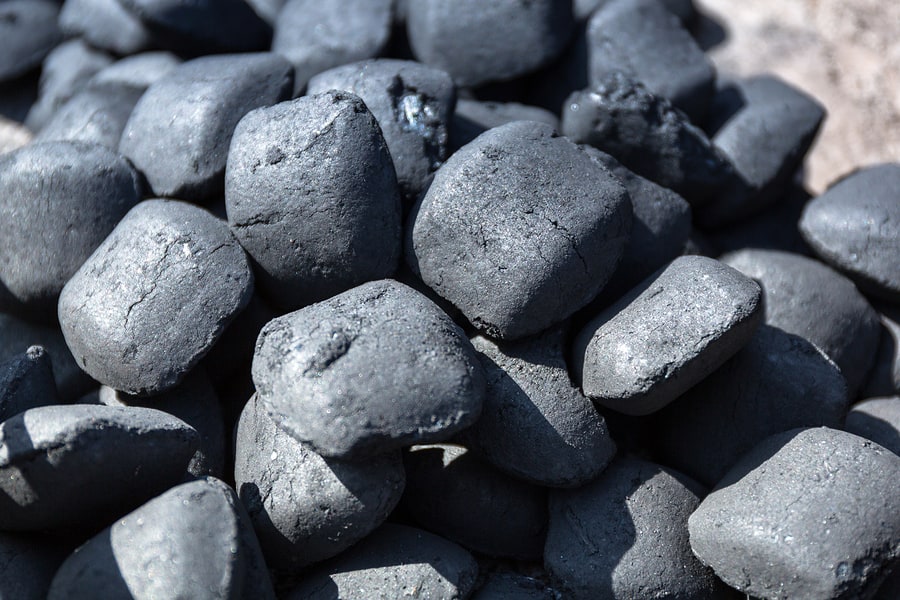
The production of charcoal briquettes involves a series of steps designed to create a consistent and reliable product. The process typically starts with the collection of raw materials, which are then carbonized to produce charcoal. Once the charcoal is ready, it is combined with the binder and any additional additives in a mixing chamber. This mixture is then compressed into the familiar pillow-shaped briquettes using special machinery.

After compression, the briquettes are dried to remove any residual moisture, ensuring a stable and long-burning product. Some manufacturers may also apply special coatings or additives to enhance ignition properties or provide flavor during grilling.

Environmental Impact

Concerns about deforestation and unsustainable logging practices have led to increased scrutiny of the environmental impact of charcoal production. However, many charcoal briquette manufacturers are addressing these concerns by sourcing their raw materials responsibly. For example, some companies use wood from sustainable forests or agricultural waste products to create charcoal, minimizing the impact on natural ecosystems.

Moreover, the use of charcoal briquettes can be considered more environmentally friendly compared to traditional lump charcoal. The uniform size and shape of briquettes contribute to more controlled combustion, reducing overall emissions and maximizing energy efficiency during grilling.

Efficiency and Consistency

One of the key advantages of charcoal briquettes is their consistent performance. The uniform shape and composition of briquettes allow for a predictable burn time and temperature, providing users with greater control over their cooking process. This reliability makes charcoal briquettes an excellent choice for both novice and experienced grillers who seek precision in their culinary endeavors.

Versatility in Applications

While charcoal briquettes are synonymous with outdoor grilling, their applications extend beyond the barbecue. They can be used for smoking meats, providing a distinctive flavor profile to foods. Additionally, charcoal briquettes are a reliable heat source for outdoor activities such as camping and picnics, where a portable and efficient fuel option is essential.

Economic Considerations

Charcoal briquettes are generally more affordable than alternative fuels, making them an economical choice for many households. Their cost-effectiveness, coupled with their efficiency and versatility, contributes to their enduring popularity as a fuel source for cooking.

Conclusion

In conclusion, charcoal briquettes represent a fascinating intersection of art and science in the world of fuel. Their composition, manufacturing process, and environmental considerations make them a unique and versatile option for cooking and heating. As consumers become increasingly conscious of their environmental impact, the continued evolution of charcoal briquette production toward sustainability ensures that this traditional fuel source will remain relevant in modern times. Whether used for a weekend barbecue or an adventurous camping trip, charcoal briquettes continue to hold their place as a reliable and efficient fuel for a variety of applications.

Briquette Charcoal

Briquette Charcoal

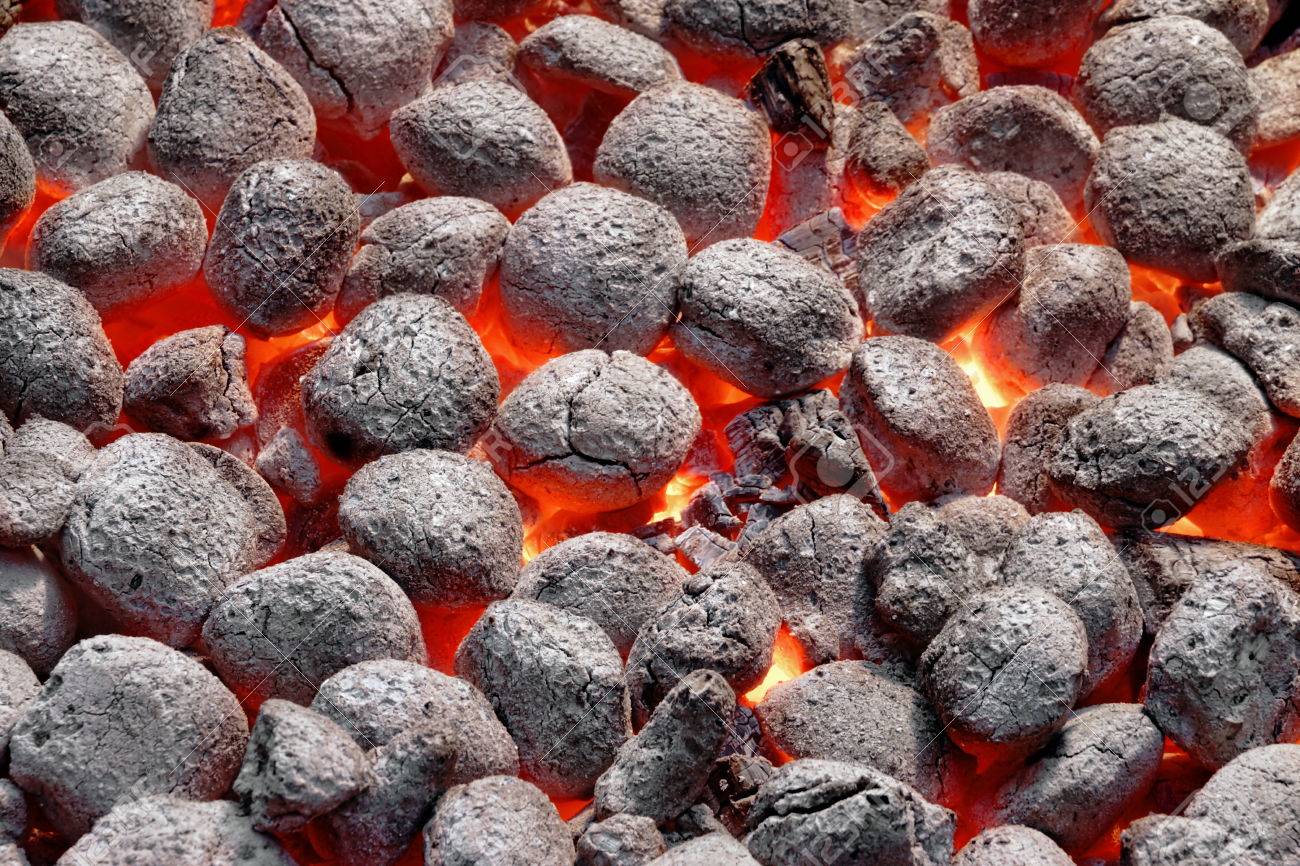
Briquette Charcoal, In the world of outdoor cooking, charcoal briquettes have become synonymous with the sizzle and aroma that define a perfect barbecue. However, these compact, blackened fuel sources are more than just a means to an end; they represent a fascinating combination of history, science, and sustainability. This article delves into the origins, composition, and environmental impact of charcoal briquettes, highlighting their role in the modern culinary landscape.

Brief History

Charcoal has been used as a fuel for cooking since ancient times. The process of creating charcoal involves heating wood in the absence of oxygen, a technique that has been employed for centuries to produce a dense, carbon-rich material with excellent burning properties. In the 1920s, Henry Ford, the automotive pioneer, played a pivotal role in popularizing charcoal briquettes. He noticed that the manufacturing process for his cars generated a significant amount of wood scraps and saw an opportunity to repurpose this waste into a useful product for grilling.

Composition and Production

Charcoal briquettes are typically composed of three main ingredients: charcoal, binders, and additives. The primary source of charcoal is wood, which is carbonized through a process called pyrolysis. During pyrolysis, wood is heated in the absence of air, causing volatile compounds to evaporate and leaving behind carbonized material. Binders, such as starch, are added to help hold the briquettes together, while additives may include ingredients for ignition enhancement or flavor infusion. You can read more details at briquette manufacturers

The production of charcoal briquettes involves several steps, including crushing the raw material (wood), mixing it with binders and additives, and then compressing the mixture into the familiar pillow-shaped briquettes. The briquettes are then dried and packaged for distribution.

Advantages of Charcoal Briquettes

Consistent Heat

One of the key advantages of charcoal briquettes is their ability to provide a consistent and controlled heat source. This makes them ideal for grilling, where precise temperature control is crucial for achieving the desired results.

Long Burning Time

Charcoal briquettes tend to burn longer than traditional lump charcoal, extending the cooking time and reducing the need for frequent refueling.

Uniform Shape and Size

The standardized shape and size of briquettes make them easy to handle and distribute evenly across the grill, ensuring uniform cooking.

Ease of Ignition

Many charcoal briquettes come pre-treated with additives that make them easy to light, simplifying the ignition process for both novice and experienced grillers.

Sustainability Considerations

While charcoal briquettes offer numerous advantages, concerns about deforestation and environmental impact have been raised. Traditional charcoal production methods often involve the indiscriminate cutting of trees, contributing to deforestation and habitat loss. However, sustainable practices are being adopted to address these issues.

Certified Sustainable Charcoal

Some manufacturers are now producing charcoal briquettes using wood from sustainably managed forests or recycled wood waste. Look for products certified by organizations like the Forest Stewardship Council (FSC) to ensure the charcoal is sourced responsibly.

Bamboo Charcoal Briquettes

An emerging alternative to traditional wood-based briquettes is bamboo charcoal. Bamboo grows rapidly and can be harvested sustainably, making it an environmentally friendly option for charcoal production.

Carbonization Technologies

Advancements in carbonization technologies are making it possible to produce charcoal more efficiently, minimizing the environmental impact of the production process.

Conclusion

Charcoal briquettes, born out of a desire to repurpose industrial waste, have evolved into a staple of outdoor cooking. Their consistent heat, long burning time, and ease of use make them a favorite among grilling enthusiasts. As consumers become increasingly conscious of environmental issues, the industry is adapting by embracing sustainable practices and alternative materials. Whether you’re a backyard barbecuer or a professional chef, understanding the history, composition, and environmental impact of charcoal briquettes adds depth to the sizzle of the grill and encourages a more thoughtful approach to outdoor cooking.