
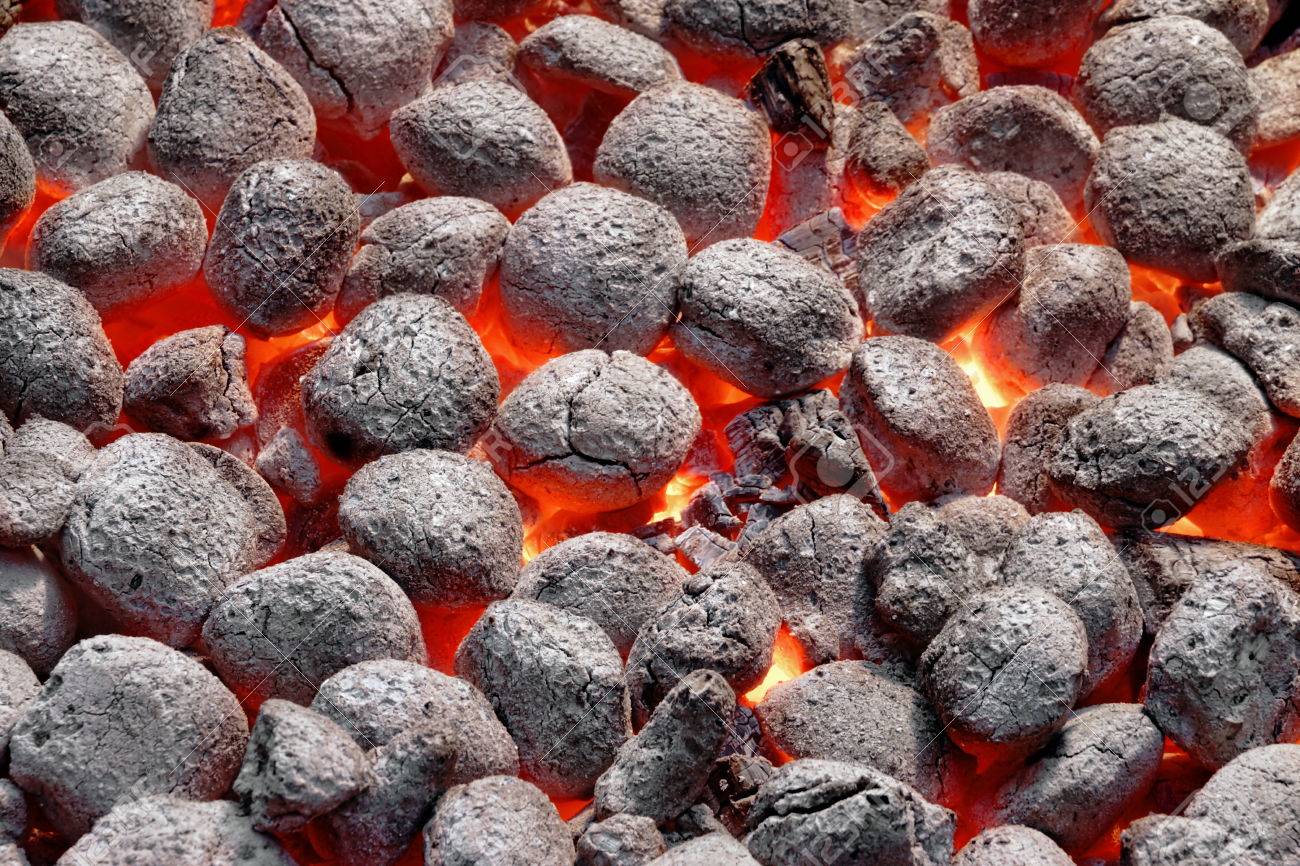
In recent years, briquette charcoal has emerged as a sustainable and versatile alternative to traditional charcoal, offering a myriad of uses that extend far beyond the backyard barbecue. Derived from compressed biomass materials, such as sawdust, agricultural residues, and even paper, briquette charcoal has gained popularity due to its eco-friendly nature and diverse applications. In this article, we explore the various uses of briquette charcoal and how it has become a valuable resource in both domestic and industrial settings.
Uses of Briquette Charcoal
Grilling and Barbecuing
The most common use of briquette charcoal is, undoubtedly, in grilling and barbecuing. The briquettes provide a consistent and long-lasting heat source, making them ideal for cooking a variety of foods. Their uniform shape and size ensure an even distribution of heat, allowing for precise temperature control. Additionally, many environmentally conscious consumers prefer briquette charcoal over traditional charcoal, as it is often produced from sustainable sources and does not contribute to deforestation.
Outdoor Cooking
Beyond the confines of the grill, briquette charcoal finds applications in outdoor cooking scenarios. Portable stoves designed for camping and picnics often utilize briquette charcoal for its convenience and ease of use. Its compact and lightweight nature makes it an excellent choice for those seeking a reliable fuel source in outdoor settings, where traditional fuel options may be impractical.
Indoor Cooking
Briquette charcoal has even made its way into indoor kitchens, thanks to the advent of smokeless varieties. Smokeless briquette charcoal is produced using advanced technologies that reduce the emission of harmful smoke and odors during combustion. This makes it a suitable option for indoor grilling and cooking, offering a cleaner alternative to traditional charcoal and reducing the environmental impact associated with indoor cooking activities. You can read more details at briquette manufacturers
Water Purification
Surprisingly, briquette charcoal plays a vital role in water purification processes. Its porous nature allows it to act as a natural filter, adsorbing impurities and contaminants from water. In many developing regions, where access to clean water is a persistent challenge, communities have adopted simple yet effective water filtration systems using briquette charcoal. This application showcases the versatility of briquette charcoal in addressing basic human needs beyond culinary purposes.
Heating and Energy Production
In regions where access to traditional fuels like gas or electricity is limited, briquette charcoal serves as an alternative heating and energy source. Industries and small businesses often use briquette charcoal in furnaces and boilers for various manufacturing processes. The efficient combustion and sustainable sourcing of briquette charcoal make it an attractive option for those seeking to reduce their carbon footprint while meeting their energy needs.
Horticulture and Agriculture
Briquette charcoal has found applications in horticulture and agriculture. As a soil amendment, it helps improve soil structure and water retention, promoting healthier plant growth. Some farmers also use charcoal dust derived from briquette production as a component in organic fertilizers, enriching the soil with essential nutrients and enhancing its fertility.
Art and Craft
The artistic community has embraced briquette charcoal as a unique medium for creating charcoal drawings and sculptures. The consistent texture and composition of briquette charcoal make it a favorite among artists seeking a reliable and sustainable material for their creations. Its use in art and craft not only showcases its aesthetic appeal but also highlights its potential in unconventional applications.
lack of briquettes
In recent times, a concerning issue has emerged in various regions — the shortage of briquette charcoal. This eco-friendly alternative to traditional charcoal has gained widespread popularity due to its versatility and sustainability. However, the increasing demand and various factors, such as raw material shortages and production challenges, have contributed to a notable lack of briquettes in the market. In this article, we delve into the reasons behind the scarcity of briquette charcoal and explore potential solutions to address this pressing issue.
Rising Demand Outpacing Supply
One of the primary reasons for the shortage of briquette charcoal is the surge in demand. As consumers become more environmentally conscious, there has been a significant shift towards sustainable alternatives in cooking and heating. The demand for briquette charcoal has skyrocketed, putting immense pressure on producers to meet the growing market needs. Unfortunately, many producers are struggling to scale up production to match the increasing demand.
Raw Material Constraints
The production of briquette charcoal relies heavily on specific biomass materials like sawdust, agricultural residues, and paper waste. The scarcity of these raw materials, exacerbated by factors such as climate change and deforestation, directly impacts the availability of briquette charcoal. In some regions, the seasonal variability of biomass production further intensifies the challenge, leading to intermittent shortages.
Production Challenges
The manufacturing process of briquette charcoal involves compressing biomass materials into uniform shapes. However, this process is not without its challenges. Some producers face difficulties in securing the necessary machinery and technology for efficient and cost-effective production. Additionally, fluctuations in energy prices and transportation costs contribute to the overall challenges faced by briquette charcoal manufacturers.
Environmental and Regulatory Factors
Stringent environmental regulations and concerns over sustainable sourcing can also impact the production of briquette charcoal. While these regulations are crucial for ensuring the eco-friendly nature of the product, they may pose challenges for some producers in terms of compliance. Navigating these regulatory landscapes requires additional investments and resources, further complicating the production process.
Innovations and Solutions
To address the shortage of briquette charcoal, there is a need for innovative solutions across the supply chain. Producers can explore new technologies and methods to streamline production, reduce costs, and enhance efficiency. Collaborations between government bodies, environmental organizations, and private enterprises can facilitate the development of sustainable practices and ensure a steady supply of raw materials.
Community Engagement and Awareness
Engaging with local communities and raising awareness about sustainable practices can contribute to a more consistent and ethical supply chain. Encouraging responsible harvesting of biomass materials, reforestation efforts, and waste reduction initiatives can help alleviate some of the environmental pressures contributing to the shortage.
Diversification of Alternatives
In light of the briquette charcoal shortage, consumers and industries may need to explore alternative sustainable fuel sources. This could include the adoption of other eco-friendly options like clean-burning stoves, solar cookers, or other renewable energy solutions. Diversifying the sources of energy can help reduce the dependency on a single resource and mitigate the impact of shortages.
Conclusion
In conclusion, the uses of briquette charcoal extend far beyond the familiar sights and smells of a backyard barbecue. From providing a sustainable fuel source for cooking to playing a crucial role in water purification, heating, and agriculture, briquette charcoal has proven itself to be a versatile and eco-friendly resource. As technology continues to advance, we can expect to see even more innovative applications of this humble yet powerful product, further solidifying its place as a sustainable solution in a variety of industries.
The shortage of briquette charcoal is a complex issue that requires a multifaceted approach for resolution. Producers, consumers, and regulatory bodies must collaborate to find sustainable solutions that balance environmental considerations with the increasing demand for eco-friendly alternatives. Through innovation, responsible sourcing, and community engagement, it is possible to address the challenges contributing to the lack of briquette charcoal and ensure a more sustainable future for this valuable resource.